Temple and Shrine Etiquette in Japan: A Visitor's Complete Guide
Understanding the Difference Between Temples and Shrines
Japan's religious landscape features two primary traditions that peacefully coexist: Buddhism and Shinto. For visitors, understanding the distinction between their places of worship—temples and shrines—provides important context for proper etiquette and deeper appreciation of these sacred spaces.
Buddhist Temples (寺, tera or ji)
Buddhist temples serve as centers for Buddhist worship, meditation, and learning. Key identifying features include:
- Buddha Statues: Central figures of worship inside temple buildings
- Incense Burners: Large urns where visitors burn incense sticks
- Cemetery Areas: Many temples include grave sites and memorial markers
- Temple Gates: Often featuring guardian figures like Nio statues
- Distinct Architecture: Pagodas, bell towers, and meditation halls
- Monks: Buddhist clergy in traditional robes, often with shaved heads
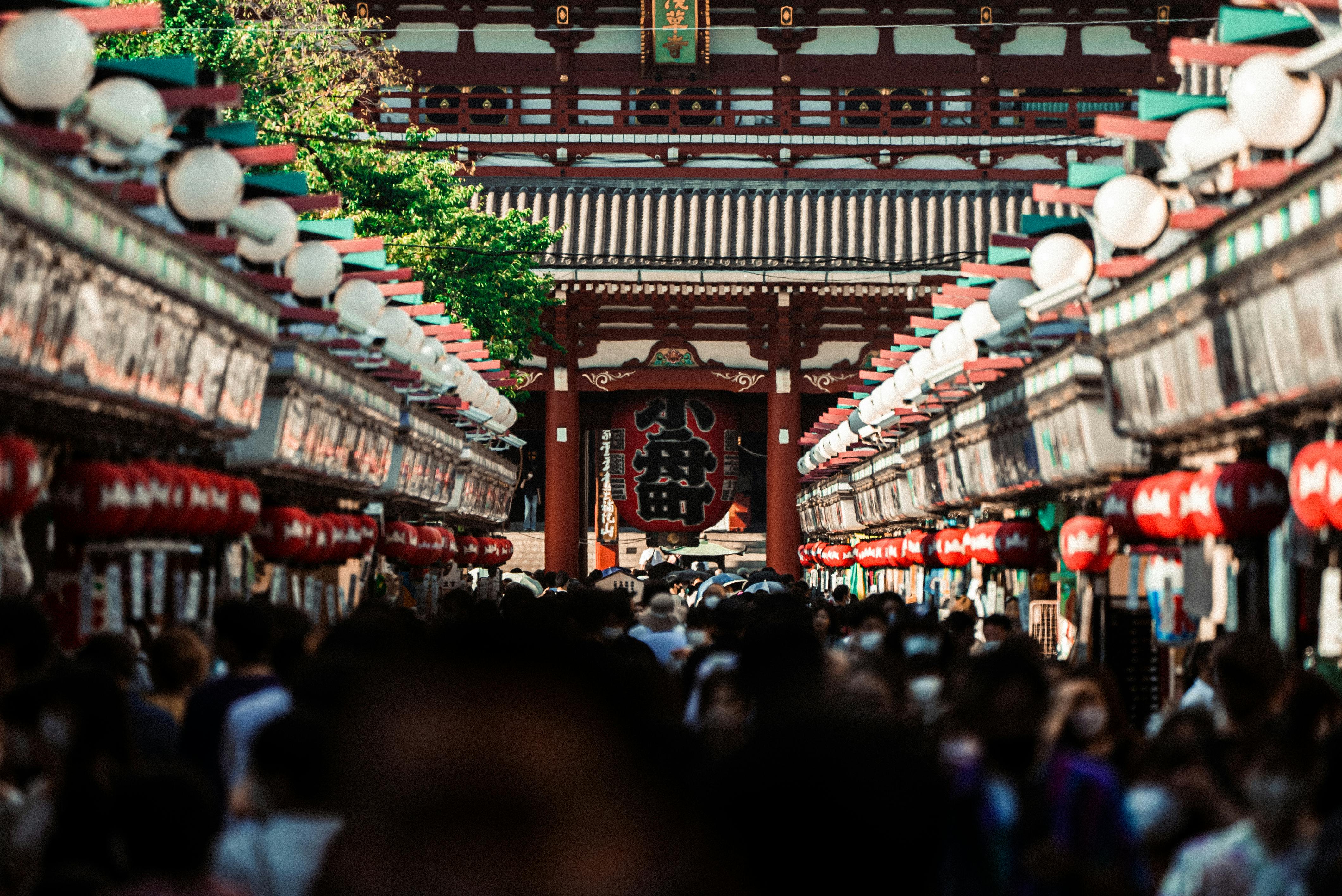
Popular examples include Sensoji (Tokyo), Kiyomizudera (Kyoto), and Todaiji (Nara).
Shinto Shrines (神社, jinja)
Shinto shrines are sacred spaces dedicated to kami (gods/spirits), honoring natural forces and ancestral figures. Key identifying features include:
- Torii Gates: Distinctive vermilion or wooden gateways marking sacred space
- Shimenawa: Sacred ropes with white paper streamers
- Purification Fountains: Water basins for ritual cleansing
- Offering Hall: Where prayers and offerings are made
- Ema Boards: Wooden placards for writing wishes
- Shrine Maidens: Female attendants in red and white garments
Famous examples include Meiji Jingu (Tokyo), Fushimi Inari (Kyoto), and Itsukushima Shrine (Hiroshima).
Spiritual Significance
Understanding these distinctions helps visitors show appropriate respect:
- Buddhism: Focuses on achieving enlightenment, overcoming suffering
- Shinto: Centers on purification, harmony with nature, and honoring kami
These traditions have intertwined throughout Japanese history, leading to some shared practices and even combined sites known as jingu-ji.
General Etiquette for Sacred Sites
Certain etiquette principles apply to both temples and shrines, reflecting the respectful atmosphere expected at all sacred spaces in Japan.
Appropriate Attire and Preparation
Proper dress shows respect for sacred spaces:
- Modest Clothing: Cover shoulders and knees
- Clean, Comfortable Footwear: Shoes must be removed in certain areas
- Minimal Exposed Skin: Avoid revealing clothing
- Subdued Appearance: Remove sunglasses inside buildings
- Hats: Remove when entering buildings (but acceptable in outdoor areas)
General Behavior Guidelines
While visiting temples and shrines:
- Speak Quietly: Maintain a hushed, respectful tone
- Walk Thoughtfully: Move with purpose but never rush
- Stay on Designated Paths: Don't wander into restricted areas
- Photography: Check for prohibitions before taking photos
- Avoid Touching: Never touch religious objects, statues, or decorations
- Turn Off Phone Ringers: Put devices on silent mode
- No Smoking: Observe designated areas only (typically far from main buildings)
- No Eating/Drinking: Unless in designated areas like teahouses
Showing Respect to Religious Figures
When encountering monks, priests, or shrine maidens:
- Bow Slightly: A simple sign of respect when interacting
- Speak Softly: Use quiet, respectful tones
- Ask Permission: Before taking photos of religious personnel
- Maintain Distance: Don't interrupt ceremonies or meditation
- Accept Offerings: If blessed items are given, accept with both hands
Specific Shrine Etiquette (Shinto)
Shinto practices emphasize purification and proper approach to the sacred. These specific protocols should be followed at shrines.
Entering Through Torii Gates
The torii gate marks the boundary between the ordinary world and sacred space:
- Bow Slightly: A small bow before passing through shows respect
- Proper Pathway: Traditionally, walk slightly to the side rather than directly in the center path (reserved for kami)
- Step Over the Threshold: Never step directly on the threshold of the gate
- Single File: Pass through one at a time, not in groups side-by-side
Purification at the Chōzuya (Water Pavilion)
The water ablution pavilion (手水舎, chōzuya or temizuya) is for ritual purification before approaching the main hall:
- Use Your Right Hand First: Take the ladle with your right hand
- Wash Left Hand: Pour water over your left hand
- Switch Hands: Transfer the ladle to your left hand
- Wash Right Hand: Pour water over your right hand
- Return to Right Hand: Transfer the ladle back
- Cleanse Mouth: Pour water into your left hand and rinse your mouth (do not drink directly from the ladle or swallow the water)
- Rinse Left Hand Again: Pour water over your left hand once more
- Rinse the Ladle: Allow remaining water to run down the handle to cleanse it
- Return the Ladle: Place it back on the pavilion, facing down
Prayer at the Main Hall (Haiden)
Approaching the main hall for prayer follows specific steps:
- Monetary Offering: Place a small coin (5 yen is traditional for its "good connection" pronunciation) in the offering box
- Ring the Bell: If present, ring to announce yourself to the kami
- Bow Twice Deeply: At a 90-degree angle
- Clap Twice: With hands at shoulder height
- Make Your Prayer: With hands still pressed together
- Bow Once More: A final deep bow to conclude
Omikuji (Fortune Papers)
These paper fortunes provide guidance and predictions:
- Purchase and Open: Available at dedicated shrine booths
- Reading: If written in Japanese, look for 大吉 (excellent luck) to 凶 (bad luck)
- Poor Fortune: Tie paper to designated trees or wires to leave the bad luck behind
- Good Fortune: Take home to keep the good fortune with you
Ema Boards
Wooden placards for writing wishes and prayers:
- Purchase: Available at shrine shop or booth
- Write Your Wish: Use pencil or pen provided
- Hang Properly: Place on the designated rack with other ema
- Respectful Wishes: Keep wishes positive and respectful
Specific Temple Etiquette (Buddhist)
Buddhist temples have their own distinct protocols reflecting Buddhist traditions of mindfulness and respect.
Incense Offering (Osenko)
Burning incense is an important offering at Buddhist temples:
- Purchase Incense: Available at temple shops or stalls
- Approach the Burner: Stand before the large incense urn
- Light Your Incense: Use the provided flame (never from another person's incense)
- Extinguish the Flame: Wave your hand to extinguish, never blow out
- Place in Burner: Insert the unlit end in the ash, standing upright
- Waft the Smoke: Gently wave smoke toward yourself, particularly toward areas needing healing (traditionally, smoke is believed to have healing properties)
- Bow Slightly: Complete the offering with a small bow
Prayer at the Main Hall
Buddhist prayer differs from Shinto practice:
- Monetary Offering: Place in the offering box if desired
- Join Hands in Gassho: Press palms together at chest or forehead level
- Bow Slightly: A gentle bow while maintaining gassho hand position
- Silent Prayer: Offer prayers or meditation
- No Clapping: Unlike Shinto shrines, there is no clapping
Temple Bells
Large temple bells (鐘, kane) have specific etiquette:
- Observe Hours: Many bells are rung only at specific times
- Request Permission: Never ring without explicit invitation
- Proper Technique: If invited to ring, use the suspended log with a gentle swing
- Moment of Reflection: After the bell sounds, observe a moment of silence
Buddhist Statues and Altars
When viewing Buddhist icons:
- Maintain Distance: Stand at a respectful distance
- No Touching: Never touch statues, even for photos
- No Climbing: Sacred objects are not photo props
- Flash Photography: Usually prohibited near statues
- Respectful Photography: Don't pose inappropriately with religious figures
Removal of Shoes
Shoe removal protocols at temples:
- Building Entrances: Always remove shoes when entering temple buildings with tatami floors
- Shoe Placement: Place in provided shelves or take with you in plastic bags
- Veranda Areas: Some temples require shoe removal at the entrance to elevated wooden platforms
- Socks Preferred: Wearing socks is considered more polite than bare feet
Special Temple and Shrine Traditions
Goshuin (Temple/Shrine Stamps)
These calligraphic seals and inscriptions serve as spiritual mementos:
- Goshuincho: Purchase a special accordion-style book for collecting stamps
- Request Properly: Ask for "goshuin onegaishimasu" at the temple/shrine office
- Offering: Typically costs 300-500 yen
- Waiting Respectfully: The calligraphy is done by hand and requires patience
- Spiritual Significance: Traditionally a record of pilgrimage and worship, not merely a souvenir
Omamori (Protective Amulets)
Sacred protective charms for various purposes:
- Purpose-Specific: Different amulets serve different functions (health, study, travel safety, etc.)
- Purchase Respectfully: Available at dedicated shrine/temple offices
- Carrying Properly: Keep in purse, wallet, or bag (not as decoration)
- Annual Renewal: Traditionally returned to the issuing shrine/temple after one year
- Proper Disposal: Return to any shrine/temple for ritual burning when expired
Pilgrimage Circuits
Some temples and shrines form pilgrimage routes:
- Pilgrim's Attire: Traditional white jacket (白衣, hakui) and walking staff optional but respected
- Pilgrimage Books: Special books for collecting stamps or signatures
- Order of Visitation: Some circuits have traditional sequences to follow
- Nokyocho: Special pilgrim's stamp books for specific routes
- Respectful Completion: Many routes have concluding rituals at the final site
Etiquette for Special Occasions and Ceremonies
Festival Days (Matsuri)
When visiting during shrine or temple festivals:
- Increased Reverence: Even more respectful behavior is expected
- Crowd Awareness: Be mindful of devotees participating in rituals
- Photography Restrictions: Additional limits may apply during ceremonies
- Procession Space: Never block ritual processions or ceremonies
- Participation Boundaries: Don't join ceremonies unless explicitly invited
New Year Visits (Hatsumode)
The first shrine/temple visit of the year follows special protocols:
- Peak Crowds: Prepare for extremely busy conditions (Jan 1-3)
- Simplified Rituals: Basic purification and prayers due to crowds
- Line Etiquette: Patient queuing is essential, sometimes for hours
- Special Offerings: Larger donations are customary for New Year
- Lucky Direction: Some people choose shrines in the year's lucky direction
Wedding Ceremonies
If you encounter a traditional wedding at a shrine or temple:
- Maintain Distance: Keep well back from the procession
- No Photography: Unless given explicit permission
- Quiet Observation: Remain silent during ceremonial moments
- No Congratulations: Save congratulations unless you're an invited guest
- Discreet Viewing: It's acceptable to watch briefly from a distance
Regional Variations in Temple and Shrine Etiquette
While core protocols remain consistent throughout Japan, some regional variations exist:
Kyoto's Ancient Traditions
- Stricter Formality: As Japan's historical cultural capital, Kyoto's temples and shrines often maintain more formal etiquette
- Specialized Customs: Some Kyoto temples have unique rituals dating back centuries
- Photography Restrictions: More common in Kyoto's most sacred sites
- Greater Reverence Expected: The historical significance demands additional respect
Okinawan Sacred Sites
- Utaki: Sacred groves and natural formations rather than constructed buildings
- Entry Restrictions: Some sites restricted to local priestesses only
- Spiritual Fusion: Blends indigenous beliefs with Buddhist and Shinto influences
- Natural Offerings: Flowers and natural items rather than manufactured goods
Rural Shrine Practices
- Local Deities: May honor very specific local kami or ancestors
- Community Connections: Stronger ties to local families and traditions
- Simplified Facilities: May lack formal temizuya or offering halls
- Personal Attention: Caretakers may offer more direct guidance to visitors
Attending Ceremonies and Special Access
Meditation Sessions (Zazen)
Some temples offer meditation experiences for visitors:
- Advance Reservation: Often required, especially at famous temples
- Proper Attire: Modest, comfortable clothing in subdued colors
- Following Instructions: Listen carefully to the monk's guidance
- Maintaining Silence: No photography or talking during meditation
- Sitting Position: Cross-legged on cushions, facing the wall or center
- Duration Respect: Never leave in the middle of a session
Temple Stays (Shukubo)
Overnight accommodations at Buddhist temples:
- Schedule Adherence: Morning ceremonies often begin very early
- Dining Etiquette: Vegetarian meals (shojin ryori) with specific eating procedures
- Curfew Observation: Most temple stays have early evening curfews
- Bathing Protocols: Shared bathing facilities with standard Japanese bathing etiquette
- Participation Expectations: Guests may be invited to join in religious activities
Special Access Areas
Some temples and shrines have restricted zones:
- Inner Sanctums: Never enter areas marked for priests/monks only
- Roped-Off Sections: Respect all boundary markers
- Special Permission: Some areas require advance application for access
- Guided Tours Only: Some sacred spaces can only be entered with official guides
- Photography Licenses: Special permits may be required for professional photography
Photography Etiquette at Religious Sites
Understanding photography rules at sacred sites prevents unintentional disrespect:
General Photography Guidelines
- Check for Signs: Look for "No Photography" symbols before taking pictures
- No Flash: Flash photography is generally prohibited inside buildings
- No Commercial Use: Personal photography only without permits
- Tripods/Selfie Sticks: Often prohibited, especially during busy times
- Ceremonial Respect: Never photograph ongoing religious ceremonies without permission
Subject-Specific Considerations
- Main Deity Images: Often strictly prohibited from being photographed
- People at Prayer: Don't photograph individuals engaged in worship
- Sacred Objects: Many temples restrict photography of specific treasures
- Religious Personnel: Ask permission before photographing monks or shrine maidens
- Other Visitors: Be mindful of including strangers in your photographs
Photography Passes
Some major sites offer special photography permissions:
- Paid Permits: Available at some temples for photography in restricted areas
- Time Limitations: Special photo sessions may be limited to specific hours
- Equipment Restrictions: Rules about camera types and accessories
- Content Guidelines: Restrictions on how images can be used or shared
- Registration Requirements: Some sites require identification for photo passes
Visiting Major Religious Complexes
Mount Koya (Koyasan)
This sacred Buddhist mountain complex requires specific etiquette:
- Respectful Transit: Observe silence on the sacred cable car ascent
- Cemetery Etiquette: Okunoin cemetery deserves particular reverence
- Lantern Hall Behavior: No photography in the most sacred hall of 10,000 lanterns
- Accommodation Rules: Temple lodgings have strict curfews and protocols
- Morning Ceremonies: Guests are often welcome but must follow precise instructions
Ise Jingu
Japan's most sacred Shinto shrine complex has particularly strict protocols:
- Forbidden Photography: No photos of the main sanctuary areas
- Bridge Crossing: Special rules for crossing the Uji Bridge into the sacred precinct
- Viewing Limitations: The inner sanctum can only be viewed from behind multiple fences
- Rebuilding Ceremony: Special once-in-20-years traditions if you visit during rebuilding
- Multiple Purifications: More extensive cleansing expected at this most sacred site
Nara's Ancient Temples
The historic temples of Nara have specific considerations:
- Deer Interactions: Proper behavior with sacred deer on temple grounds
- National Treasures: Extra restrictions around Japan's oldest wooden buildings
- Great Buddha (Daibutsu): Special etiquette for approaching Japan's largest bronze Buddha
- Limited Hours: Many important buildings close earlier than the grounds
- Incense Ceremony: Unique traditions at certain temples like Todaiji
Practical Tips for Visitors
Timing Your Visit
Strategic timing enhances the sacred site experience:
- Early Morning: The most serene experience, often with morning ceremonies
- Weekdays: Significantly less crowded than weekends
- Avoid Holidays: Japanese national holidays bring local crowds
- Seasonal Awareness: Cherry blossom and autumn leaf seasons bring peak crowds
- Opening Hours: Many temples close earlier than expected (often 4-5pm)
Managing Multiple Site Visits
For efficient temple and shrine touring:
- Grouping by Area: Visit sites in the same district to minimize travel time
- Temple Fatigue: Limit to 3-4 major sites per day to maintain appreciation
- Alternating Types: Mix temple and shrine visits for variety
- Rest Breaks: Include teahouse stops between visits
- Prioritization: Research which sites align with your specific interests
Language Assistance for Sacred Site Visits
Useful phrases for temple and shrine visits:
- "Ojama shimasu" (お邪魔します): Excuse me for disturbing (when entering sacred spaces)
- "Osenko wa doko desu ka?" (お線香はどこですか?): Where is the incense?
- "Goshuin onegaishimasu" (御朱印お願いします): May I have a shrine/temple stamp please?
- "Shashin wa daijōbu desu ka?" (写真は大丈夫ですか?): Is photography allowed?
- "Kutsuo nugimasu ka?" (靴を脱ぎますか?): Should I remove my shoes?
Approaching Sacred Sites with Cultural Sensitivity
Visiting Japanese temples and shrines offers profound insights into Japan's spiritual traditions, architectural achievements, and cultural values. The etiquette practices described in this guide aren't merely rules to follow but gateways to understanding the reverence, mindfulness, and harmony at the core of Japanese spirituality.
By approaching these sacred spaces with respect and cultural sensitivity, visitors contribute to the preservation of these traditions and gain a deeper, more meaningful connection to Japan's spiritual heritage. The momentary pause for purification, the mindful bow, and the quiet contemplation these sites invite provide a welcome counterbalance to the frenetic pace of modern travel.
Remember that temple and shrine etiquette isn't about perfect performance but rather sincere intention. Japanese people appreciate foreign visitors who make a genuine effort to respect their traditions, even if the execution isn't flawless. This respectful approach transforms temple and shrine visits from mere sightseeing into meaningful cultural engagement.
As you explore Japan's religious sites, allow yourself time for quiet reflection amid the beauty and history surrounding you. The mindful presence these sacred spaces encourage might become one of your most valuable souvenirs—a moment of tranquility to carry with you long after your journey ends.
Note: While this guide covers general temple and shrine etiquette, specific sites may have additional rules. Watch for posted guidelines and follow the example of local visitors when in doubt.